Start With a Real Situation
An overnight power outage, a delayed trip home, and a short evacuation create different needs. Decide where the kit will live, who will use it, and what you can comfortably carry. A household supply can be divided into easy-to-find bins; a vehicle kit has to tolerate its storage conditions.
Make a List Before Buying a Bag
Work through drinking water, food you already know how to prepare, lighting, weather layers, first aid supplies, hygiene items, communications, and charging needs. Add household-specific items such as glasses, contact information, pet supplies, and space for personal medications.
Look Beyond the Piece Count
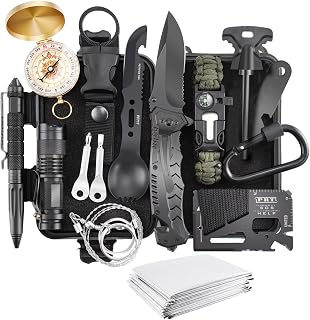
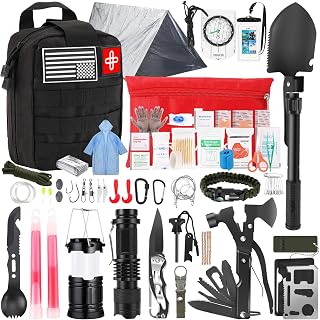
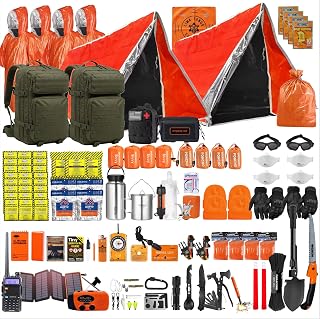
Read the contents of a ready-made kit line by line. A bag with hundreds of pieces can still leave out something you need. Check quantities and sizes, and make a separate list of the items you must add. Decide whether each supplied tool is useful enough to earn its space.
Keep the Kit Usable
Put frequently used items where they are easy to reach. Label storage, keep instructions with unfamiliar equipment, and review consumables and batteries regularly. Try the gear before putting it away so an outage is not the first time you use it.
Put the Plan Before the Purchase.
Choose one gap in your supplies, compare suitable options, and learn the equipment before you store it.
Try the Gear Finder →