Holding a direction toward a distant landmark is a different task from quickly checking which way is north. A lensatic compass is designed around that more deliberate sighting process.
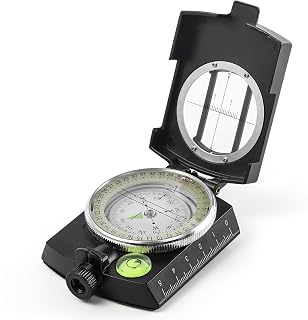
The Multifunctional Tactical Survival Military Compass with Lanyard & Pouch | Waterproof & Impact Resistant | Lensatic Sighting Compass for Hiking comes with a lanyard and pouch, and the listing describes waterproof and impact-resistant construction. Those are appealing details for outdoor storage, but the sighting layout is the reason I’d compare it.
Get Comfortable With the View
A lensatic design asks you to use the sighting arrangement and read the direction in a particular way. It can feel unfamiliar if you’ve only used a phone compass or a simple button compass.
- Design: Lensatic sighting compass.
- Carry items: Pouch and lanyard listed.
- Outdoor claims: Waterproof and impact resistant.
I’d learn the supplied instructions in a familiar open area. Reading a direction confidently is more useful than owning a compass with several parts you’ve never unfolded.
Carrying Protection Helps Keep It Accessible
The pouch gives it a dedicated place instead of leaving it loose among metal tools. Choose where it will live so you can reach it without emptying the bag. When taking a reading, keep nearby magnetic influences in mind and follow the maker’s instructions.
What the Toughness Labels Don’t Settle
“Military” and “tactical” describe how the product is marketed; they don’t establish a particular testing standard. I’d verify the exact water-resistance limits and avoid assuming any handheld instrument is immune to damage.
Would I Pick This Style?
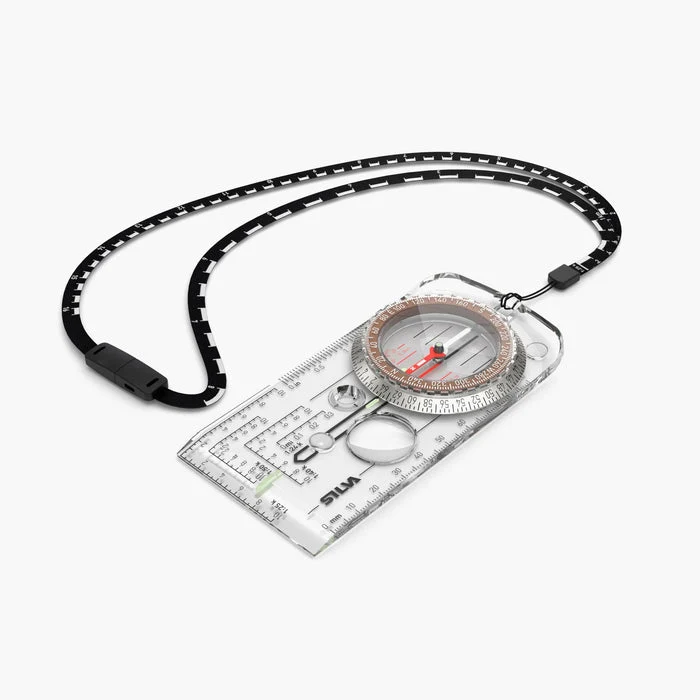
I’d consider it for someone who specifically wants lensatic sighting and is willing to practice. For map measurements at a table, a clearly documented baseplate model may be more convenient. This assessment is based on the described configuration rather than an accuracy or drop test.