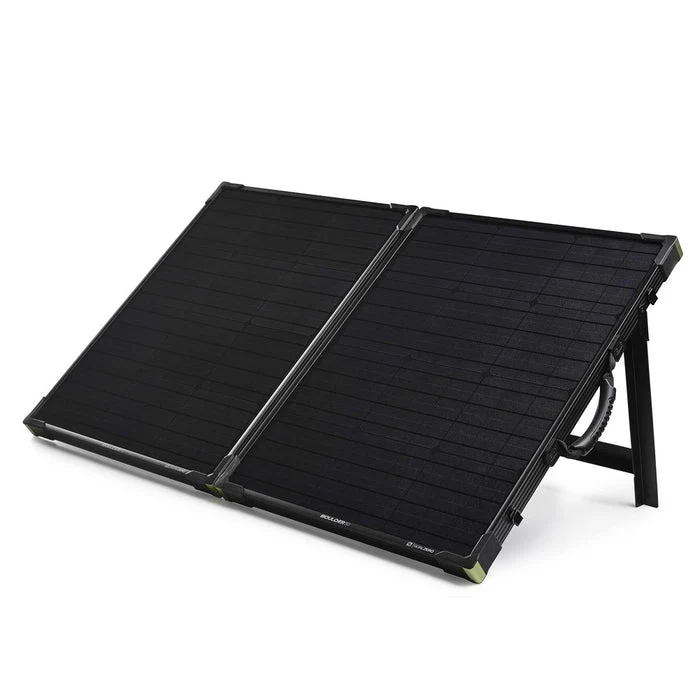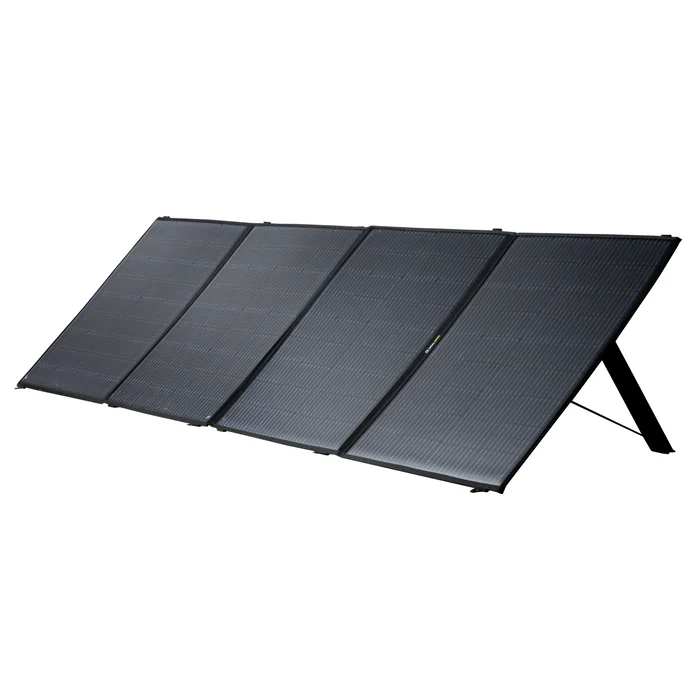
A large battery eventually needs somewhere to get its energy back. The Goal Zero Nomad 400 offers a portable solar-generation option, but its rated 400W figure describes output under defined conditions, not a guaranteed all-day charging rate.
A Large Panel Needs a Large Enough Space
The published specification lists an unfolded width of roughly 114 inches and a 36.6-pound weight. I'd check the available setup area and carrying route before buying it for travel. Foldable doesn't mean small enough for every campsite or easy to move by every user.
- Rated panel power: 400W.
- Weight: 36.6 pounds.
- Protection: IP65 is listed.
- Included accessory: A fifteen-foot HPP extension is described.
Match the Electrical Input
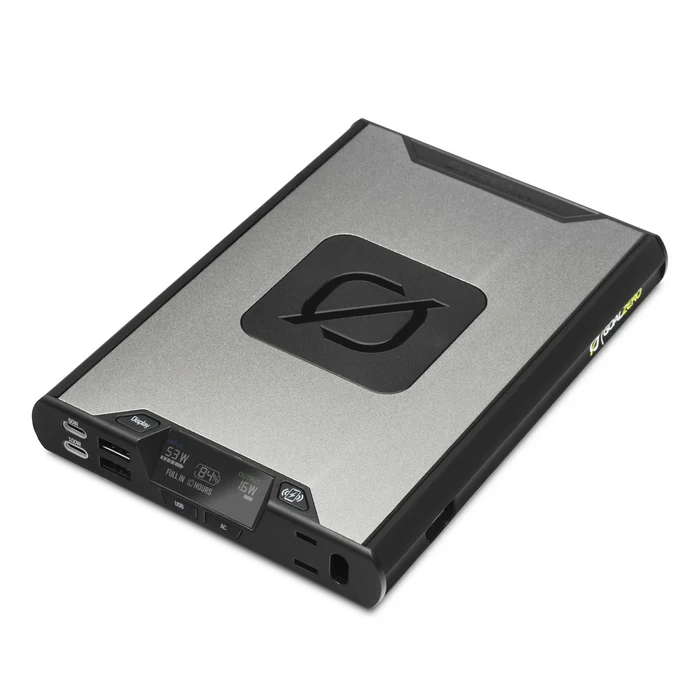
The receiving station must accept the panel's voltage, current, and connector arrangement. I'd use the panel's full electrical specification and the station manual together. A physically fitting plug or a wattage label alone doesn't confirm compatibility.
The USB-A connection offers a separate small-device option in the published description. That doesn't change the main purpose of the panel as generation equipment for a larger system.
Actual Sun Determines Actual Collection
Shade, angle, weather, and heat influence output. I'd use the manufacturer's charging estimates as conditional examples rather than a promise. The panel doesn't store energy, so the evening reserve comes from a compatible battery charged while useful daylight is available.
Keeping enough cable reach can help place the panel in sunlight while locating other equipment appropriately. Follow the product's weather and connector guidance rather than assuming every part can be left exposed.
I haven't measured Nomad 400 output. I'd compare it for a vehicle or home-backup system where replenishing a substantial station is the goal. For a phone-only kit, a much smaller charging arrangement would be easier to carry and set up.